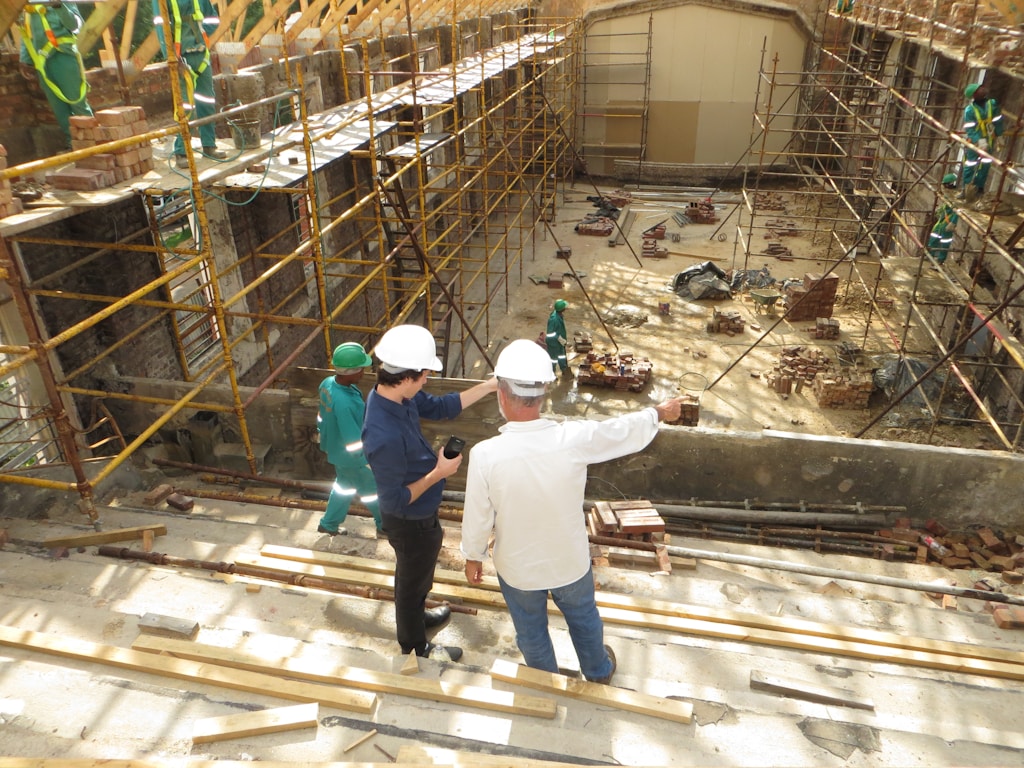
The modular building industry is experiencing a period of unprecedented growth, fueled by its inherent advantages in speed, cost-effectiveness, and, most importantly, Modular Building (Scalability). As businesses and communities grapple with evolving needs and fluctuating demands, the ability to quickly and efficiently scale building infrastructure is becoming increasingly crucial. This article will delve into the factors driving the global market growth of modular building, exploring its impact across various sectors and highlighting the innovative approaches that are shaping the future of construction.

Key Takeaways:
- Modular Building (Scalability) is a major driver of growth in the construction industry, allowing for rapid adaptation to changing needs.
- The global modular building market is expanding due to its cost-effectiveness, speed of construction, and sustainable practices.
- Innovation in design and materials is further propelling the adoption of modular construction across diverse sectors.
Understanding the Global Market Growth of Modular Building (Scalability)
The global market for modular building is witnessing substantial expansion, driven by the increasing recognition of its unique benefits. One of the most compelling advantages is the Modular Building (Scalability) it offers. Unlike traditional construction methods, modular construction allows for phased expansion and contraction, providing businesses and organizations with the flexibility to adapt to changing circumstances.
This adaptability is particularly attractive in sectors such as healthcare, education, and commercial development. For example, a hospital can add new wings or specialized units quickly and efficiently without disrupting existing operations. Similarly, schools can expand their facilities to accommodate growing student populations without lengthy construction delays. The ability to easily reconfigure or relocate modular buildings also contributes to their appeal, making them a versatile solution for a wide range of applications. Furthermore, the controlled factory environment in which modular components are produced ensures higher quality control and reduced waste compared to traditional on-site construction, further contributing to their economic viability and market growth. This growth allows us to be innovative and come up with the best way to construct modular buildings.
How Does Cost-Effectiveness Influence Modular Building (Scalability)?
Beyond its adaptability, the cost-effectiveness of modular construction is a significant driver of its global market growth. While initial costs may be comparable to traditional construction, the long-term savings associated with modular building are substantial. The speed of construction is a primary factor in this cost advantage. Modular projects can be completed in significantly less time than traditional projects, reducing labor costs and minimizing disruption to surrounding areas. This accelerated timeline translates directly into faster returns on investment for developers and businesses.
Moreover, modular construction often results in lower material waste. The precision manufacturing process in a controlled factory environment minimizes errors and reduces the amount of materials discarded. This not only lowers material costs but also contributes to more sustainable building practices, which are increasingly important to environmentally conscious clients and investors. Furthermore, the inherent Modular Building (Scalability) allows for phased investment, allowing organizations to allocate resources strategically as their needs evolve. This phased approach to construction reduces the financial burden associated with large-scale projects and allows for more efficient capital management.
The Impact of Innovation on Modular Building (Scalability) Growth
Continuous innovation in design, materials, and construction techniques is further fueling the growth of the modular building market. Advancements in Building Information Modeling (BIM) and digital fabrication technologies are enabling architects and engineers to create more complex and sophisticated modular designs. These technologies also improve the precision and efficiency of the manufacturing process, resulting in higher quality and more aesthetically pleasing modular structures.
The development of new, lightweight, and sustainable materials is also expanding the possibilities for modular construction. These materials not only reduce the environmental impact of building projects but also enhance the portability and Modular Building (Scalability) of modular structures. Furthermore, innovative construction techniques, such as volumetric modular construction, are allowing for the creation of complete building modules that can be easily assembled on-site. This approach minimizes on-site construction time and reduces the risk of weather-related delays. These are all major factors that benefit us and our clients.
Future Trends: Expanding the Horizons of Modular Building (Scalability)
The future of the modular building market looks promising, with ongoing advancements in technology and design set to further expand its applications. We can anticipate seeing increased adoption of modular construction in a wider range of sectors, including residential, commercial, and industrial. The growing demand for sustainable and energy-efficient buildings will also drive the adoption of modular construction, as it offers inherent advantages in terms of waste reduction and energy conservation.
Furthermore, the increasing urbanization and the need for affordable housing solutions are creating a strong demand for efficient and cost-effective building methods. Modular construction is well-positioned to meet this demand, offering a rapid and scalable solution for creating high-quality, affordable housing units. As modular building technologies continue to evolve, they will undoubtedly play an increasingly important role in shaping the future of the construction industry. The Modular Building (Scalability) is a must-have in today’s construction market. By Modular Building (Scalability)